
We are a leading provider of planning, monitoring, evaluation, research and learning services. Through these services we help our clients to define and measure their results and use evidence to improve program effectiveness.
Click here to download Social Impact’s brochure of global development services.
OUR FOUNDERS
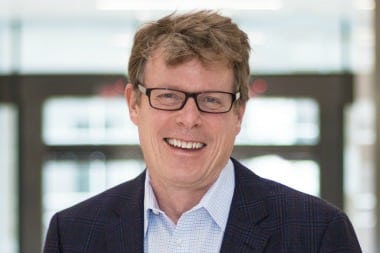

OUR STAFF
Please contact us for more information about our staff and their capabilities
WHERE WE WORK
Social Impact has worked in more than 120 countries in every region of the world and currently has a physical presence in ten countries.
CLIENTS
Working with international and local partners, we advance the development effectiveness of diverse clients, such as:
US Agency for International Development

Millennium Challenge Corporation

US Department of State

United States Department of Agriculture

General Services Administration

UK Aid – Department for International Development (DFID)

The MasterCard Foundation
Bill & Melinda Gates Foundation
The World Bank

IREX
Discovery Learning Alliance

African Development Bank
The Carter Center
Checchi

Chemonics

Crown Agents USA

ECODIT

FHI 360

IDS International

International Fund for Agricultural Development
MacArthur Foundation

The Manoff Group

Mott Macdonald

dTS/Palladium

Relief International
RTI International
Toyota

Department of Labor

City of Portland

Department of Justice
OUR CULTURE & VALUES
We are a people-centered organization that fosters a culture that prioritizes the contributions and belonging of all. We believe that such a culture makes our company a place where people want to work and makes us more effective in achieving our mission to use evidence and learning to increase the impact of social programs. Our culture is underpinned by our core values.

DELIVER QUALITY
We are proactive, pragmatic and seek out diverse perspectives to advance program effectiveness. We take pride in creating participatory processes and useful products that deliver high quality results.

ACT WITH INTEGRITY
We are honest, ethical, transparent and reliable in our work and with each other. We welcome difficult conversations to advance equity-focused, evidence-based decision making, and ensure accountability.
COLLABORATE AND LEARN
We value and empower all staff and respect the dynamism within and across our teams and country offices. We encourage curiosity, partnership and reflection to learn from each other and our work, challenge ourselves and continuously improve.
.

EMBRACE CAMARADERIE AND BELONGING
We celebrate both our individuality and collective strengths and look for ways to connect within and across teams, time zones, and projects. We seek remote and in-person spaces to enhance trust and teambuilding to create a sense of community.
OUR HISTORY
SI focuses on applying best practices in program design to address HIV/AIDS in sub-Saharan Africa. After passage of the Government Performance and Results Act, SI develops new tools and approaches to support results-based management of U.S. foreign assistance.